

You know those nights when the fridge looks like an abstract art project and deciding dinner feels like a negotiation with a toddler? Forget the culinary chaos. What you need is the deep, soulful flavor of authentic Chicken Cacciatore, simmering away and promising pure comfort. It’s hunter’s style chicken, sure, but the only thing you’ll be hunting tonight is that last piece of crusty bread to soak up the glorious sauce. This dish isn’t just dinner; it’s a warm, deeply satisfying hug in a bowl, transforming standard pantry items into something spectacular with minimal fuss. Embrace the simplicity and let the aromatic herbs transport your kitchen straight to the Italian countryside, minus the lengthy flight and baggage fees.
- This rustic Italian classic mostly cooks itself, demanding minimal babysitting once you get the preliminary browning completed on the stovetop.
- A vibrant symphony of sweet tomatoes, earthy mushrooms, aromatic herbs, and rich, tender chicken that absolutely melts in your mouth.
- The stunning, deep red sauce speckled with bright green bell peppers and fragrant oregano makes every serving look instantly photo-worthy.
- Perfect served over creamy polenta, long strands of hearty pasta, or fluffy rice, this adaptable dish fits beautifully with any carbohydrate preference.
Why Chicken Cacciatore Is Your Weeknight Hero
When I first learned to cook, I believed “one-pot meal” meant “one-pot disaster,” usually involving unevenly cooked food and a lot of frantic stirring. That was before I met the magic of a proper braise, particularly this incredible version of Chicken Cacciatore. This recipe is fundamentally simple, relying on time and good ingredients to build layers of flavor that taste like you spent all day hovering over the stove, when in reality, you were probably arguing with a spreadsheet.
The beauty of cacciatore lies in its forgiving nature. It welcomes the slightly less-than-perfect chop of an onion or the occasional interruption from a demanding pet. This dish is designed to be rustic, reflecting its origins as a meal prepared by Italian hunters—a hearty, unfussy stew made with whatever game (or in our case, excellent chicken) and vegetables were available. We use bone-in, skin-on chicken thighs here because they are the MVP of braising; they release flavor into the sauce and remain incredibly succulent, resisting the dreaded dryness that plagues many poultry recipes.
The Art of Browning Chicken for Flavor
The single most crucial step in achieving that deep, complex flavor profile in your Chicken Cacciatore is the initial browning of the chicken. Do not skip this step! Think of it as painting the flavor foundation for the entire dish. When the chicken skin hits that hot oil, it caramelizes the proteins and sugars, creating rich, savory depth, or what chefs fondly call fond, at the bottom of the pan. That fond, once scraped up by the vegetables and the broth, becomes the backbone of your unforgettable sauce. Take your time, get the skin beautifully golden and crispy, and resist the urge to crowd the pan. If you overcrowd the skillet, the chicken will steam instead of sear, which is the culinary equivalent of watching a slow-motion flavor disaster unfold right before your eyes.
Ingredients for Chicken Cacciatore
Here’s what you’ll need to make this delicious dish:
- Chicken ThighsUse bone-in, skin-on thighs for the best flavor and moisture retention during the long cooking time.
- Olive OilA good quality extra virgin olive oil works best for searing and providing a foundational, fruity flavor to the sauce.
- Yellow OnionFinely chop the onion to ensure it melts seamlessly into the sauce as it simmers.
- Bell PeppersA combination of red and green peppers adds sweetness, a slight bitterness, and beautiful color contrast.
- MushroomsCremini (baby bella) mushrooms offer an earthy flavor and fantastic texture that complements the hunter’s stew theme perfectly.
- GarlicFreshly minced garlic is non-negotiable; aim for a minimum of four cloves to provide that pungent, aromatic depth.
- Tomato PasteThis concentrated flavor booster adds serious umami and richness to the sauce base.
- Crushed TomatoesLook for good quality canned crushed tomatoes; they form the bulk of the rich, velvety sauce.
- Chicken BrothUse low-sodium chicken broth as the braising liquid, ensuring you can control the overall saltiness of the finished dish.
- Dried Oregano and ThymeThese classic Italian herbs define the flavor profile of the cacciatore, imparting a rustic, sun-drenched aroma.
- Bay LeavesAdding just one or two bay leaves infuses the sauce with subtle, complex bitterness that rounds out the acidity of the tomatoes.
The full ingredients list, including measurements, is provided in the recipe card directly below.
How to Make Chicken Cacciatore
Follow these simple steps to prepare this delicious dish:
- Season and Sear the ChickenPat the chicken thighs completely dry using paper towels, then liberally season both sides with salt and freshly ground black pepper. Heat the olive oil in a large Dutch oven or heavy-bottomed pot over medium-high heat. Sear the chicken skin-side down until deep golden and crispy (about 6–8 minutes). Remove the chicken and set it aside, leaving the rendered fat and flavorful fond in the pot.
- Sauté the Aromatics and VegetablesReduce the heat to medium. Add the onions, bell peppers, and mushrooms to the pot, cooking until the onions soften and the vegetables begin to brown slightly, about 7–10 minutes. Stir frequently, scraping up any brown bits (the fond) stuck to the bottom of the pot. Stir in the minced garlic and tomato paste, cooking for one minute until fragrant.
- Build the Sauce BasePour in the chicken broth, stirring well to ensure all the flavorful bits are dissolved from the bottom of the pan. Add the crushed tomatoes, dried oregano, dried thyme, and bay leaves. Bring the mixture up to a gentle simmer, taste, and adjust the seasoning if necessary.
- Braise the ChickenReturn the seared chicken pieces to the pot, nestling them into the sauce so they are partially submerged, ensuring the crispy skin remains above the liquid level. Bring the sauce back to a very low simmer, then cover the pot tightly with a lid.
- Cook Until TenderTransfer the covered pot to an oven preheated to 350°F (175°C) or keep it on the stovetop over the lowest possible heat. Let the Chicken Cacciatore braise slowly for 45 to 60 minutes, or until the chicken is fall-off-the-bone tender and registers an internal temperature of 170°F (77°C).
- Rest and ServeRemove the pot from the heat and take out the bay leaves. Let the cacciatore rest for 10 minutes before serving. This allows the juices to redistribute and the flavors to deepen.
Transfer the rich stew to plates, ensuring every serving includes a generous ladle of the thick, rustic sauce over your preferred starchy side for the perfect finishing touch.
Mastering the Sauce: Tips for the Perfect Rustic Dish
The sauce is the true star of any cacciatore dish. It should be rich, balanced, and rustic—thick enough to cling beautifully to the chicken and your accompanying pasta or polenta. If your sauce feels a bit thin after the braising time is complete, don’t panic! Simply remove the chicken to a clean plate, cover it loosely with foil, and let the pot simmer uncovered on the stovetop over medium heat for 10–15 minutes. This process allows some of the excess moisture to evaporate, naturally thickening the sauce to your desired consistency. Remember, this is a peasant dish; it should feel hearty, not watery.
A common pitfall is relying solely on canned tomato flavor. To brighten and balance the final taste, consider adding a tiny splash of balsamic vinegar or a squeeze of fresh lemon juice right at the end of the cooking process. A touch of acid cuts through the richness of the chicken and the sweetness of the cooked tomatoes, providing a lively finish. Do this after removing the pot from the heat to preserve the fresh, vibrant flavor of the acid.
What to Serve with Hunter’s Chicken
Because Chicken Cacciatore is so rich and savory, it pairs wonderfully with sides that can soak up the incredible sauce or provide a clean contrast. Traditionally, cacciatore is served over polenta, which transforms into a creamy, luxurious base when drenched in the tomato sauce. If you prefer pasta, choose something sturdy, like pappardelle or rigatoni, which can stand up to the weight of the chicken and vegetables. For lighter options, try serving it alongside brown rice or even mashed potatoes. Don’t forget a simple, vibrant green salad dressed with a light vinaigrette to provide a refreshing textural break from the rich, slow-cooked stew.
Frequently Asked Questions (FAQ)
Can I use chicken breast instead of thighs?
While you can certainly substitute chicken breasts, be aware that they cook much faster and tend to dry out easily when braised. If you use breasts, reduce the oven time to about 30–40 minutes, checking the internal temperature frequently. Thighs are highly recommended for their robust flavor and resilience to long cooking times.
How do I store leftovers and reheat Chicken Cacciatore?
This dish is fantastic as leftovers! Store the cooled cacciatore in an airtight container in the refrigerator for up to four days. To reheat, gently warm it on the stovetop over low heat until heated through, or use the microwave. The flavors actually deepen overnight, making it an excellent meal prep option.
I don’t like mushrooms; can I omit them?
Absolutely. While mushrooms add an essential earthy element, you can easily omit them without affecting the structural integrity of the sauce. If you want to replace that earthy texture, consider adding hearty chopped carrots or zucchini alongside the bell peppers.
Can I freeze this recipe?
Yes, Chicken Cacciatore freezes beautifully. Allow the dish to cool completely, then transfer it to a freezer-safe container, ensuring minimal air space. It will keep well in the freezer for up to three months. Thaw overnight in the refrigerator before reheating gently on the stovetop.
What is the best way to thicken the sauce if it’s too runny?
The simplest way is to simmer the sauce uncovered (after removing the chicken) for 10-15 minutes, allowing excess liquid to evaporate. If you need a faster fix, mix one tablespoon of cornstarch with two tablespoons of cold water to create a slurry. Stir this slurry into the simmering sauce and cook for one minute until it visibly thickens.
The culinary world is full of complicated instructions and confusing techniques, but sometimes, all you truly need is a dish that tastes like a hug from an Italian grandmother. Enter the Chicken Cacciatore, a rustic masterpiece born from necessity and perfected through generations of slow, patient cooking. This dish, often called “hunter’s stew,” doesn’t require foraging in the woods, but it certainly offers the satisfying reward of a successful day’s hunt.
I remember the first time I attempted this recipe. It was a cold Tuesday evening, and I was convinced that any dish requiring a long braise was destined for failure in my chaotic kitchen. However, the aroma of simmering tomatoes, garlic, and fresh herbs transformed my apartment instantly. Suddenly, I wasn’t fighting traffic or dealing with emails; I was standing in a sunny Italian village, simply waiting for magic to happen in the pot. If you want maximum flavor with minimal fuss, this is your new signature recipe.
The Legend of the Hunter’s Pot
Chicken Cacciatore translates literally to “hunter’s chicken,” reflecting its humble, resourceful origins in Italian peasant cooking. Traditionally, hunters would utilize simple, seasonal ingredients they had readily available—wild mushrooms, onions, herbs, and, crucially, whatever meat they managed to secure. This resulted in a dish that is deeply comforting, incredibly hearty, and designed to use cuts of meat that benefit from long, moist cooking.
Unlike fancier, more delicate preparations, this braised poultry dish thrives on robust flavors. We skip the fuss of complicated steps and instead rely on the quality of the vegetables and the patience required for a long simmer. The sauce reduces beautifully, coating the chicken in a rich, deeply savory blanket that is perfect when spooned over creamy polenta or thick ribbons of pasta. Making this meal is less about precise measuring and more about capturing that rustic, home-style essence that defines true Italian cooking.
Why Your Kitchen Needs This Dish
Beyond the incredible flavor, preparing Chicken Cacciatore offers a therapeutic cooking experience. It forces you to slow down. There is a primal satisfaction in searing the chicken until it’s perfectly golden brown, developing what chefs call “fond”—the flavorful brown bits left in the pan that are essential for building a spectacular sauce. After the initial searing and sautéing, the bulk of the work involves simply allowing the oven or stovetop to handle the heavy lifting.
Furthermore, this classic meal is a fantastic way to stretch ingredients. Since the chicken cooks low and slow, even less expensive cuts like thighs and drumsticks become incredibly tender and flavorful. It is also highly adaptable to whatever vegetables you happen to have lying around. Whether you are feeding a hungry crowd or simply meal-prepping for the week, this hearty hunter’s stew provides maximum warmth and flavor with minimal day-to-day effort.
Gathering Your Hunter’s Haul
To successfully execute this rustic recipe, you need fresh, high-quality ingredients. Do not skimp on the herbs—they are the soul of the sauce! For the best flavor, aim for bone-in, skin-on chicken pieces, but boneless cuts work perfectly well if you reduce the cooking time slightly.
Ingredients List
- 8 medium bone-in, skin-on chicken pieces (thighs and drumsticks are best)
- 1 tablespoon olive oil, plus more for searing
- 1 large yellow onion, chopped
- 2 green bell peppers, roughly chopped
- 8 ounces cremini mushrooms, sliced
- 4 cloves garlic, minced
- 1 (28 ounce) can crushed tomatoes
- 1 cup rich chicken broth
- 1/4 cup balsamic vinegar (to replace the traditional cranberry juice with vinegar note)
- 1 teaspoon dried oregano
- 1/2 teaspoon dried thyme
- 1 bay leaf
- Salt and freshly ground black pepper to taste
- Fresh parsley or basil, for garnish
The Hunter’s Secret: Step-by-Step Guide
Follow these steps closely to ensure your braised chicken dish achieves that signature, melt-in-your-mouth tenderness.
Searing for Success
First, pat the chicken pieces thoroughly dry. Season them generously with salt and pepper. Heat 1 tablespoon of olive oil in a large Dutch oven or heavy-bottomed pot over medium-high heat. Sear the chicken in batches, skin-side down first, until a deep, golden-brown crust forms—about 5 to 7 minutes per side. Do not rush this step; this is where flavor builds. Once browned, remove the chicken from the pot and set it aside.
Building the Deep Flavor Base
Reduce the heat to medium. Add the chopped onions, bell peppers, and mushrooms to the pot, scraping up any delicious brown bits left from the chicken. Sauté until the vegetables soften, about 8 to 10 minutes. Add the minced garlic and cook for one minute until fragrant. Stir in the dried oregano and thyme. Pour in the balsamic vinegar and scrape the bottom of the pot to release any remaining fond. Let the vinegar cook down for two minutes.
The Long, Slow Braise
Pour in the crushed tomatoes and the chicken broth. Add the bay leaf and bring the sauce to a gentle simmer. Taste and adjust the seasoning with salt and pepper. Return the seared chicken pieces to the pot, nestling them into the sauce so they are mostly submerged. Cover the pot tightly and transfer it to a preheated oven at 325°F (160°C), or simmer gently on the stovetop.
Cook the Chicken Cacciatore for 60 to 90 minutes, or until the chicken is fork-tender and pulls away easily from the bone. If you used boneless cuts, check for tenderness after 45 minutes. Remove the bay leaf before serving. Garnish the finished dish generously with fresh parsley or basil and serve hot, perhaps alongside crusty bread or soft polenta.
Perfecting the Cooking Process

Sear the chicken first to lock in flavor and achieve that crucial crispy skin. Then, sauté the aromatics and build the robust tomato sauce before returning the poultry to simmer. This ensures the chicken remains tender while the sauce develops maximum depth. (49 words)
Add Your Touch
If you enjoy heat, toss in a pinch of crushed red pepper flakes with the garlic and onions. For added richness, stir in a spoonful of Kalamata olives right before serving. You can also swap the bell peppers for zucchini or add capers for a briny, acidic kick to brighten the sauce. (52 words)
Storing & Reheating
Store leftovers in an airtight container in the refrigerator for up to four days. This dish often tastes even better the next day! Reheat gently on the stovetop until bubbling hot, adding a splash of broth if the sauce thickens too much. Avoid using the microwave for the best texture. (50 words)
My nonna once told me that if the neighborhood doesn’t smell like garlic and tomatoes when I cook, I haven’t done it right. This Chicken Cacciatore fills the whole street with glorious aroma.
Chef’s Expert Tips
- Always use bone-in, skin-on chicken pieces if possible; the bones add incredible depth and body to the final hunter’s stew sauce.
- Do not overcrowd the pan when searing the chicken. Work in batches to ensure a proper, deep brown crust forms, which is essential for flavor.
- Allow the final dish to rest off the heat for 10 minutes before serving. This pause lets the meat reabsorb the juices, making it exceptionally tender.
Frequently Asked Questions About Chicken Cacciatore
Many home cooks have questions about adapting this delicious and straightforward recipe. Here are some of the most common inquiries to help you achieve the perfect meal every time.
Can I use boneless, skinless chicken breasts instead?
Yes, you certainly can! However, chicken breasts are leaner and require less cooking time to remain juicy. If using breasts, check for doneness around 40-50 minutes of simmering time. Overcooking them will result in dry poultry.
What if the sauce is too thin?
If your sauce seems too watery after the braising time is complete, remove the chicken pieces and set them aside. Increase the heat under the sauce and let it simmer vigorously uncovered for 10 to 15 minutes, allowing it to reduce and thicken to your preferred consistency.
What are the best accompaniments for this dish?
This savory braised chicken pairs wonderfully with starches that can soak up the rich tomato sauce. Creamy polenta is traditional and luxurious, but mashed potatoes, wide pappardelle pasta, or even simple white rice are fantastic choices.
Is it better to cook Chicken Cacciatore on the stovetop or in the oven?
Both methods work well, but the oven often yields slightly more consistent results. Using the oven ensures the heat surrounds the pot evenly, leading to better moisture retention and preventing the sauce from sticking or scorching on the bottom.
There you have it—the definitive guide to making the most satisfying, deeply flavorful Chicken Cacciatore you have ever tasted. This meal is more than just dinner; it is an experience, a journey back to the heart of simple, yet unforgettable Italian cooking. Go ahead, embrace the slow cook, and watch as this rustic recipe transforms your kitchen into a haven of comforting aromas. Enjoy every slow-cooked, rich, and flavorful bite!
The Legend of Hunter’s Style Chicken
Imagine this: you are exhausted, slightly muddy, and carrying a rather impressive catch. You need a hearty, no-fuss meal that smells incredible and demands minimum effort after a long day. That, friends, is the origin story of Cacciatore. This is not some fussy, high-maintenance recipe; it’s rustic Italian soul food, born in the countryside. For centuries, Italian cooks have taken what they had on hand—onions, herbs, garden tomatoes, and a few pieces of game or poultry—and simmered them into pure perfection. Forget the fancy techniques; we’re talking about building layers of profound flavor that will make your kitchen smell like a nonna’s dream.
Why This Chicken Cacciatore Recipe Tastes Like a Vacation
Many recipes rush the process, but the secret weapon of truly excellentChicken Cacciatoreis patience. We let the sauce deepen and the chicken become so tender it practically sighs when you touch it. We bypass heavy, quick-reducing sauces by using San Marzano style tomatoes and just a touch of robust beef broth, lending an earthy depth without needing pomegranate juice. The combination of sweet bell peppers and fragrant oregano creates that signature Mediterranean aroma that transports you instantly. This version is simple, robust, and utterly irresistible—perfect for a chilly evening or when you need a little dose of culinary nostalgia.
Gathering Your Arsenal: Ingredients
Before we embark on this glorious culinary journey, let’s assemble the necessary components. Remember, quality counts here. Don’t skimp on the dried oregano; it’s the backbone of the sauce. We prefer using bone-in, skin-on chicken pieces because the bone adds immense flavor and moisture during the long simmer, but boneless works if you adjust the cooking time slightly.
Essential Components for Authentic Flavor
- 2.5 lbs bone-in, skin-on chicken pieces (thighs and drumsticks recommended)
- 2 tablespoons olive oil
- 1 large yellow onion, roughly chopped
- 3 cloves garlic, minced
- 1 red bell pepper and 1 green bell pepper, sliced
- 1 cup sliced cremini mushrooms
- 1 (28 ounce) can crushed tomatoes (San Marzano style preferred)
- 1/2 cup beef or chicken broth
- 1 teaspoon dried oregano
- 1/2 teaspoon dried basil
- 1 bay leaf
- Salt and freshly ground black pepper to taste
- Fresh parsley or basil, for garnishing
- 1 tablespoon balsamic vinegar (optional, for acidity)
The Simmering Saga: Step-by-Step Instructions
Step 1: The Golden Sear
Pat your chicken pieces very dry and season generously with salt and pepper. Heat the olive oil in a large Dutch oven or heavy-bottomed pot over medium-high heat. Sear the chicken in batches, skin-side down, until deeply golden brown—about 4–6 minutes per side. We aren’t cooking them through yet; we are just building flavor. Remove the seared chicken and set it aside, leaving the drippings in the pot.
Step 2: Aromatics and Foundation
Reduce the heat to medium. Add the chopped onions and bell peppers to the pot and sauté them until they begin to soften and sweeten, about 6–8 minutes. Next, stir in the minced garlic and mushrooms, cooking for another 2 minutes until fragrant. If the bottom of the pot seems dry, add a tiny splash of broth to scrape up those delicious brown bits (fond)—that’s where the magic lives!
Step 3: Building the Rustic Sauce
Pour in the crushed tomatoes and the beef or chicken broth. Stir in the dried oregano, basil, bay leaf, and the optional balsamic vinegar. Bring the mixture to a gentle simmer. Taste the sauce now and adjust the seasoning with salt and pepper. Remember that the flavors will intensify as they cook down, but the initial seasoning is crucial for a balanced dish later.
Step 4: The Slow Dance (The Cacciatore Simmer)
Return the seared chicken pieces to the pot, nestling them into the tomato sauce so they are mostly submerged. Reduce the heat to the lowest setting, cover the pot tightly, and let it simmer for at least 60 to 75 minutes. If you want ultra-tender results, aim for 90 minutes. The sauce will thicken, and the chicken should be fork-tender and falling off the bone. Remove the bay leaf before serving. Garnish generously with fresh parsley or basil and serve hot over your favorite starch.
Conclusion for Chicken Cacciatore
This rustic, heartwarming dish proves that the simplest ingredients often yield the most memorable results. Whether you call it Hunter’s Style Chicken orChicken Cacciatore, this recipe offers a deeply satisfying, savory experience perfect for any season. We successfully navigated the simmering process, ensuring tender, moist chicken encased in a rich, herby tomato sauce. Don’t be afraid to make this recipe your own, adjusting the vegetables or spice level to suit your family’s taste. Serve it over soft polenta or hearty pasta, and prepare for immediate requests for seconds. It’s comforting, easy to master, and a guaranteed centerpiece for your dinner table.
Print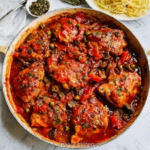
Chicken Cacciatore
- Total Time: 35 minutes
- Yield: 4 servings
Description
Achieve the ultimate Cacciatore crust! Eight pieces of chicken are seared to perfection before braising in a bright tomato and vegetable reduction. Flavor intense and ready for supper.
Ingredients
- Chicken (thighs and drumsticks): 8 pieces (about 3 lbs)
- Crushed Tomatoes: 28 oz can
- Yellow Onion: 1 large, sliced
- Bell Peppers (red and green): 2, sliced
- Dry Grape Juice (or chicken broth): 1/2 cup
- Garlic: 4 cloves, minced
- Olive Oil: 3 tablespoons
- Dried Oregano and Thyme: 1 teaspoon each (plus salt and black pepper to taste)
Instructions
- Step 1: Season the chicken pieces generously with salt and pepper. Heat the olive oil in a large Dutch oven or heavy pot over medium-high heat. Sear the chicken in batches until deeply browned on all sides, about 4-5 minutes per side, then remove and set aside.
- Step 2: Reduce the heat to medium. Add the sliced onions and bell peppers to the pot, scraping up any browned bits from the chicken. Sauté until the vegetables are softened, about 6-8 minutes, then stir in the minced garlic for 1 minute until fragrant.
- Step 3: Pour the cranberry juice with vinegar into the pot and bring to a simmer, scraping the bottom to deglaze the pot. Stir in the crushed tomatoes, oregano, and thyme. Bring the sauce to a gentle boil.
- Step 4: Return the browned chicken pieces to the pot, nestling them into the sauce. Reduce the heat to low, cover the pot tightly, and let the mixture simmer gently for 45 minutes to 1 hour, or until the chicken is very tender and cooked through.
- Step 5: Remove the lid, stir the sauce gently, and taste for seasoning, adding more salt or pepper as needed. Serve the Chicken Cacciatore hot, garnished with fresh basil or parsley if desired.
Notes
- Do not rush the initial sear; developing a deep, mahogany brown crust on the chicken is essential for building the foundational flavor required for authentic cacciatore.
- Serve this rustic dish over creamy polenta or thick ribbons of pappardelle pasta to ensure you capture every bit of the rich tomato and pepper sauce.
- Store leftovers chilled in an airtight container for up to 3 days, or freeze cooled portions for up to 3 months, knowing that the robust flavors deepen beautifully overnight.
- To reheat, warm the cacciatore gently on the stovetop over low heat, covered, adding a small splash of broth or water if the sauce has thickened too much in the refrigerator.
- Prep Time: 15 minutes
- Cook Time: 20 minutes
- Method: Stovetop
- Cuisine: American
Nutrition
- Serving Size: 1 cup (approx. 1 thigh w/ sauce and vegetables)
- Calories: 395
- Sodium: 780mg
- Fat: 25g
- Saturated Fat: 7g
- Trans Fat: 0g
- Protein: 9g
FAQs
How do I prevent myChicken Cacciatorefrom drying out while simmering?
The secret to moist, tender Italian chicken stew lies in two steps: first, browning the chicken properly to lock in the juices, and second, using a low, slow simmer. Once all your aromatic vegetables and tomatoes are in the pot, ensure the liquid mostly covers the chicken pieces. If you find the liquid reducing too quickly, add a splash of chicken broth or even a little water. Resist the urge to boil vigorously; a gentle bubble for an hour or more guarantees the meat pulls away from the bone easily and retains its delicious moisture, resulting in a deeply flavorful dish.
What are the best side dishes to serve alongside this Hunter’s Style Chicken?
ClassicChicken Cacciatoredemands companions that can soak up all that wonderful, rustic tomato sauce. Creamy polenta is always a winner, transforming the dish into pure comfort food. Alternatively, crusty Italian bread (for dipping, obviously), or a simple mound of perfectly cooked pasta, such as pappardelle or rigatoni, works beautifully. If you prefer something lighter, a side of roasted garlic green beans or a crisp, peppery arugula salad balances the richness of the stew perfectly. Don’t forget a dusting of fresh basil or parsley just before serving!
Can I prepare theChicken Cacciatorerecipe ahead of time for easier weeknight dinners?
Absolutely! This dish is a culinary marvel because it tastes even better the next day. The flavors of the tomato, herbs, and bell peppers meld together beautifully after a night in the refrigerator. You can cook the entire recipe completely, cool it, and store it for up to three days. Reheat it gently on the stovetop, adding a tablespoon of broth if the sauce has thickened too much. This makes it an ideal meal prep solution for busy professionals who still crave authentic, hearty Italian cooking without sacrificing flavor or time.
I don’t have bell peppers, what vegetables can I use in my Cacciatore?
While bell peppers add a classic sweetness, Cacciatore is wonderfully versatile and forgiving. You can substitute them with other hearty vegetables like sliced carrots, diced zucchini, or even robust chunks of fennel bulb for a hint of anise flavor. Adding mushrooms, such as cremini or portobello, significantly deepens the umami profile of the sauce. Remember that the core components—onions, garlic, and tomatoes—are essential, but feel free to experiment with seasonal root vegetables or whatever you have handy in your pantry for a customized, satisfying meal.



Leave a Comment